

Benchmarking metrics are the foundation of accountability in professional fleet management. Fleet professionals continuously compare their agency’s current performance with the previous period data — as well as to that of similar agencies and — to help increase the performance of their fleet…

Fleet managers across the country are working to reduce fleet emissions, and electric vehicles (EVs) are an important part of the strategy. It is a complex effort with challenges including charging infrastructure, vehicle availability, range limitations, budget constraints, and more.

By taking advantage of the latest solutions like fleet management software and the growing field of fleet telematics, fleet managers can lower costs over time. But there are also simple, practical interventions that don’t require much extra investment but may still yield great results.

In preparation for NAFA’s upcoming Fleet Policy Workshop on October 7–9 in Indianapolis, Maria Neve, vice president of eFMC services for Inspiration Mobility, explains why a well-crafted fleet policy is more important now than ever.

Whether you are piloting electric, natural gas, hydrogen or any other emerging technology, the key to success lies in careful preparation. Implementing new technologies represents a major change for a fleet and should not be taken lightly. What are the best practices and pitfalls to avoid?

In areas prone to hurricanes and other types of turbulent weather, it is critical for fleet managers to help their drivers plan for emergencies, prioritize safety, and protect their vehicles.

Driver safety is a priority for many company-owned or operated fleet programs. But what about your employees on the road in their personal cars? This gray area, so to speak, is often ignored. But the risk is anything but gray.
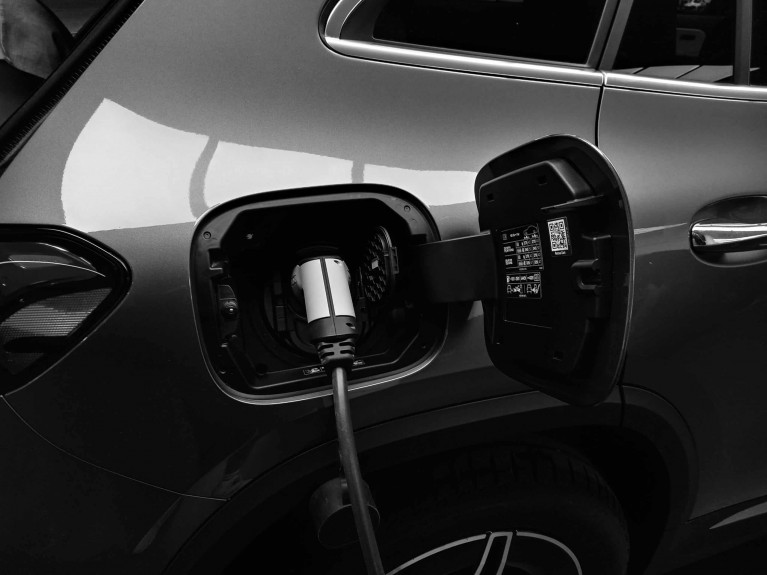
The implementation of home chargers for employees is a strategic decision that should align with a fleet’s EV goals, budget constraints, and culture. By Dave Lewis For many fleets, an EV home-charging program offers additional cost savings and boosts employee satisfaction. However, the effectiveness of a take-home strategy hinges on the strength and clarity of its underlying policies. These policies…
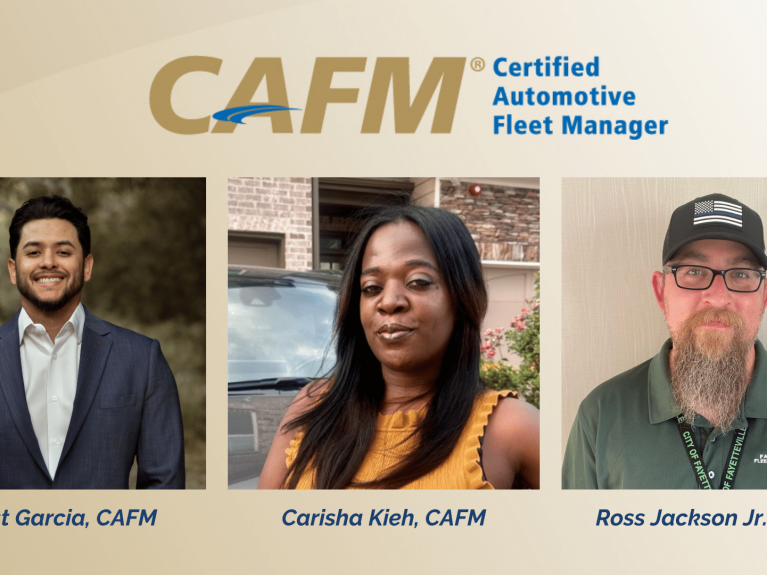
By Carla Kalogeridis Fleet professionals pursue their Certified Automotive Fleet Manager designation for a variety of reasons — professional development, new to the field, to help earn raises and advancement, or to make themselves more attractive on the job market. Whatever the motivation, they all say the program surprises them in one way or another. Ernest Garcia, CAFM, director of…

By Michael Taylor Vehicle-generated data is is continuously generated by vehicles equipped with internet connectivity and onboard sensors. This data can include information such as vehicle location, speed, acceleration, fuel efficiency, engine performance, and other operational parameters. As vehicles incorporate increasingly more sophisticated technology, they generate more and more data during their daily operation. Fleet managers know that more data…