

Commercial fleet managers are very familiar with the driver shortage crisis that has been plaguing fleets for at least the last 15 years. In fact, the American Trucking Association (ATA) noted retention and recruitment challenges as far back as 2005.

Fleets are being asked to make 5- to 10-year capital decisions while the policy guardrails that shape those decisions are actively shifting. Emissions rules are being reconsidered, incentive programs have been phased out, and infrastructure guidance continues to evolve.
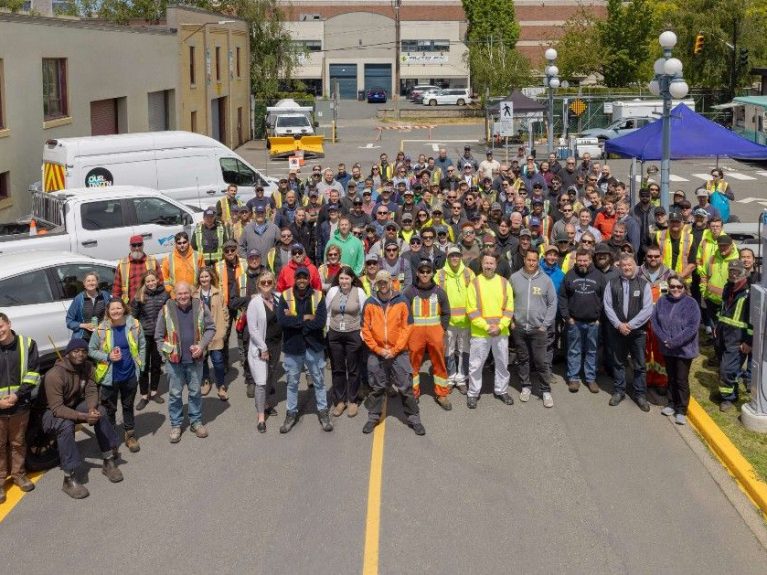
Simon Upshon, acting assistant director of public works for the City of Victoria in British Columbia, Canada, says his city’s Fleet Services Division is proving that municipal fleets can be innovative and operationally efficient while advancing ambitious climate goals.

NAFA’s 100 Best Fleets project team analyzed 2025 application data to produce a demographic snapshot of this year’s leading public and commercial fleets. The team also mapped the key initiatives these fleets are pursuing, offering a detailed view of strategies by category. This dataset provides agencies with a unique opportunity to compare their programs against their peers and refine initiatives for greater impact.

The CAFM Candidate Network is a community designed to support fleet professionals who are either enrolled in the Certified Automotive Fleet Manager (CAFM) program or have earned their CAFM. It provides a space where candidates can connect with one another, share study strategies, and exchange advice. The goal is to create a supportive environment that fosters professional growth, builds connections within the fleet community, and helps candidates succeed in achieving this important credential. The CAFM Candidate Network is a resource and a support system.

The City of Durham (NC), ranked #6 in NAFA’s 2025 Green Fleet contest, has a full-service fleet management department that includes public safety, solid waste, public works, and water management. As assistant director of fleet management, John Ferguson, CAFM, and his team handle administration, maintenance, fuel and CIP replacement. During the past year, over 50% of the city’s consumption was from renewable resources. Ferguson is already thinking about what to do to improve their Green Fleet ranking next year.

In 2024 and 2025 tariff actions landed squarely on fleet balance sheets raising the cost of vehicles, batteries, semiconductors, and the steel used in upfits and depot equipment. For many fleets tariffs became the reason a city delayed garbage truck replacements or a delivery operator postponed electrification. Like fuel and labor, tariffs have become a structural budget driver. They now demand the same forecasting, stress testing, and disciplined management to keep fleets and their budgets intact.

If your fleet is overwhelmed or underperforming, RTA’s Steve Saltzgiver says the best strategy is to blend people-first leadership with measurable outcomes and scalable systems.

If you’re reading this, you likely know what the basic elements of a PM program are: scheduled maintenance with a list of items to inspect. Something that may not be as clear is how to evolve your program from reactive to preventative, then to predictive, and finally to reliability centered.

Recent federal policy changes aim to accelerate AI adoption across industries by simplifying procurement, expediting infrastructure permits, and promoting autonomous vehicle deployment. For fleet leaders this environment offers opportunities and challenges — opportunities to streamline operations and challenges when navigating compliance and vendor accountability. Understanding these shifts is essential for fleet managers to plan strategically.